

Introduction:
When it comes to choosing the exterior cladding for your home or commercial building, two popular options that often come to mind are stone veneer and brick. Both materials offer durability, aesthetics, and a timeless appeal that can enhance the overall look of a property. However, there are key differences between stone veneer and brick that can impact your decision-making process. In this article, we will provide a comprehensive comparison of stone veneer vs brick, exploring their characteristics, advantages, disadvantages, installation requirements, maintenance needs, and cost considerations.
Characteristics of Stone Veneer:
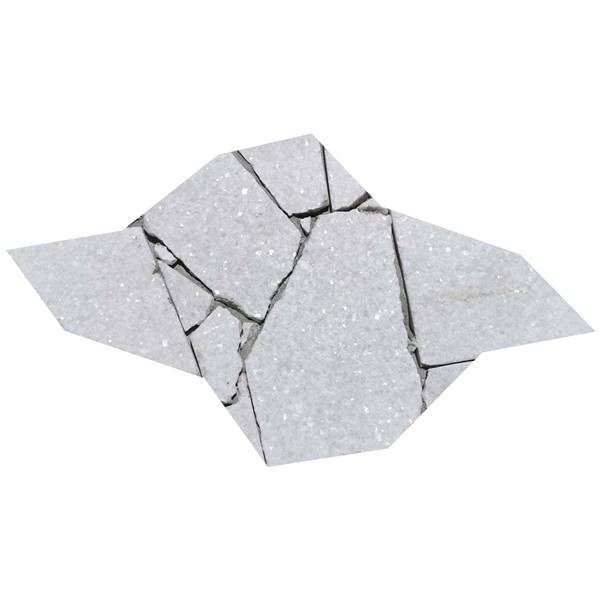
Stone veneer is a manufactured product that replicates the look of natural stone. It is composed of a thin layer of stone material that is adhered to a backing material such as concrete or fiberglass. Stone veneer is available in a wide range of colors, textures, and shapes, allowing for versatile design options. Some common types of stone veneer include limestone, slate, quartzite, and travertine.
Advantages of Stone Veneer:
1. Aesthetics: Stone veneer provides a luxurious and elegant appearance that can enhance the curb appeal of any property. Its natural look and texture create a sense of warmth and sophistication.
2. Lightweight: Compared to natural stone, stone veneer is much lighter, making it easier to handle and install. This can result in cost savings on labor and installation.
3. Versatility: Stone veneer can be used for both interior and exterior applications, allowing for seamless design continuity throughout a property. It can be applied to various surfaces, including walls, fireplaces, and accent features.
4. Durability: Stone veneer is resistant to chipping, fading, and weathering, making it a long-lasting option for exterior cladding. It can withstand harsh environmental conditions and maintain its appearance over time.
Disadvantages of Stone Veneer:
1. Cost: Stone veneer can be more expensive than brick, especially for high-quality materials. The cost of installation can also be higher due to the specialized techniques required for applying stone veneer.
2. Maintenance: While stone veneer is durable, it may require periodic cleaning and sealing to maintain its appearance and protect it from stains and discoloration.
3. Limited availability: Some types of stone veneer may have limited availability compared to brick, which can impact the selection process for certain projects.
Characteristics of Brick:
Brick is a traditional building material made from clay that is fired in a kiln to create a hard, durable product. Brick is known for its classic appeal, structural integrity, and thermal properties. It is available in various colors, sizes, and textures, allowing for customization and design flexibility.
stepping stones of Brick:
1. Timeless appeal: Brick has been used in construction for centuries and continues to be a popular choice for its classic aesthetic. It can complement a wide range of architectural styles and design preferences.
2. Durability: Brick is a highly durable material that can withstand extreme weather conditions, including moisture, heat, and cold. It is resistant to fading, rotting, and insect damage.
3. Low maintenance: Brick requires minimal maintenance compared to other cladding materials. It does not need to be painted or sealed, and it can be easily cleaned with water and a mild detergent.
4. Fire resistance: Brick is a non-combustible material that provides excellent fire resistance, making it a safe choice for exterior cladding.
Disadvantages of Brick:
1. Limited design options: While brick comes in various colors and textures, its design options may be more limited compared to stone veneer. Customization options may be restricted by the availability of brick types in the local market.
2. Weight: Brick is heavier than stone veneer, which can impact the installation process and require additional structural support. This can result in higher labor and installation costs.
3. Installation complexity: Installing brick requires skilled labor and specialized techniques to ensure proper alignment and bonding. Improper installation can lead to structural issues and aesthetic flaws.
Installation Requirements:
Stone Veneer:
- Stone veneer installation typically involves applying a scratch coat of mortar to the substrate, followed by setting the stone veneer pieces in place and grouting the joints.
- Specialized tools and techniques may be required to ensure proper alignment and bonding of the stone veneer.
- Depending on the size and complexity of the project, professional installation may be recommended to achieve the desired results.
Brick:
- Brick installation involves laying the bricks in a specific pattern using mortar as the bonding agent.
- Proper alignment, spacing, and leveling are essential to ensure a structurally sound and visually appealing result.
- Skilled labor is required to handle the weight of the bricks and maintain the integrity of the installation.
Maintenance Needs:
Stone Veneer:
- Stone veneer may require periodic cleaning using a mild detergent and water to remove dirt, dust, and debris.
- Sealing the stone veneer surface can help protect it from stains, discoloration, and moisture infiltration.
- Inspecting the grout joints for any signs of cracking or deterioration is recommended to prevent water penetration and potential damage.
Brick:
- Brick can be cleaned with water and a mild detergent to remove surface dirt and grime.
- Tuckpointing, or repairing the mortar joints, may be necessary over time to maintain the structural integrity of the brick wall.
- Inspecting the brick facade for any signs of efflorescence, spalling, or cracking is important to address issues promptly and prevent further damage.
Cost Considerations:
Stone Veneer:
- The cost of stone veneer can vary depending on the type of stone material, quality, and manufacturer.
- Installation costs for stone veneer may be higher due to the specialized techniques and labor required.
- Additional expenses such as sealing, grouting, and maintenance should be factored into the overall cost.
Brick:
- Brick is generally more affordable than stone veneer, especially for standard clay bricks.
- Installation costs for brick may be lower due to the familiarity and availability of skilled labor.
- Maintenance costs for brick are minimal, as it does not require regular painting or sealing.
Conclusion:
In conclusion, both stone veneer and brick offer unique characteristics, advantages, and disadvantages that can influence your decision when choosing exterior cladding for your property. Stone veneer provides a luxurious and versatile option with a wide range of design possibilities, while brick offers a timeless appeal and durability that can withstand the test of time. Consider factors such as aesthetics, durability, maintenance needs, installation requirements, and cost considerations when evaluating stone veneer vs brick for your project. Ultimately, the choice between stone veneer and brick will depend on your design preferences, budget, and desired outcome for your building's exterior.